Rosa Sullivan · 3 September 2026
Nalora's Trade Alliances Fuel Quiet Shifts in Regional Education and Tech Training Programs
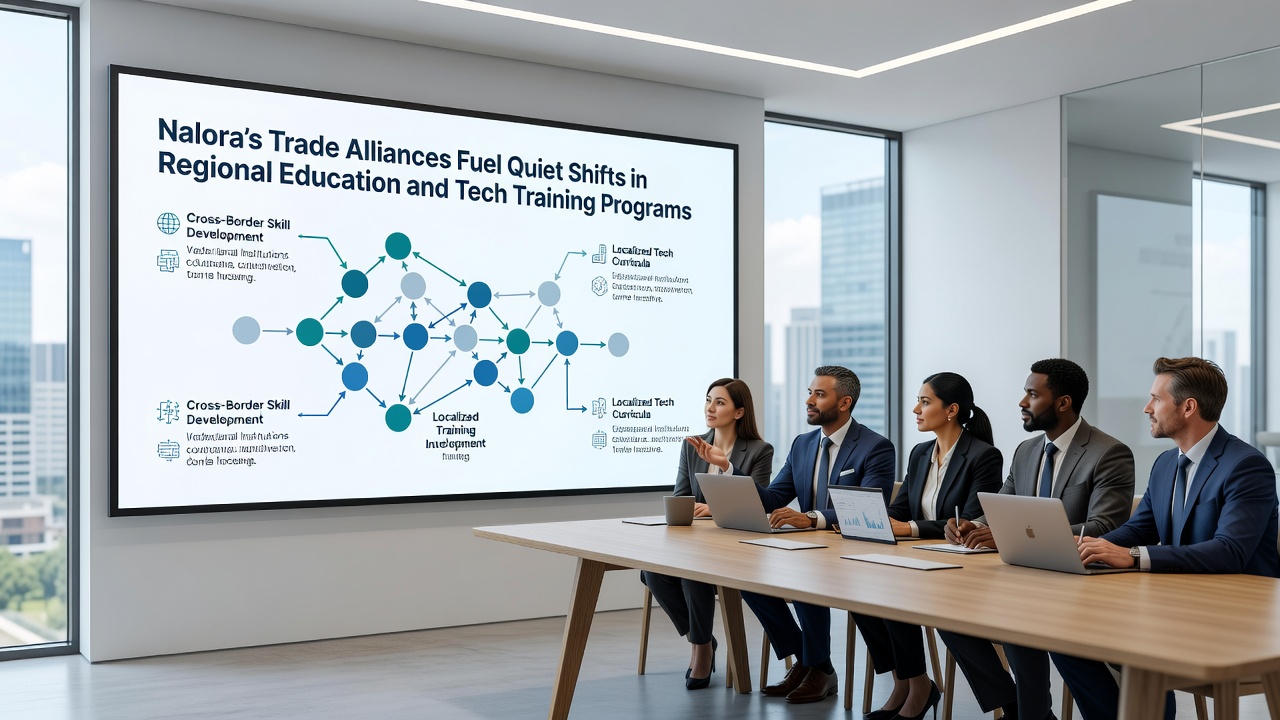
Nalora's recent trade alliances with partners across Europe and Asia have begun reshaping regional education systems and technical training programs in measured but noticeable ways. These agreements emphasize skills development in digital technologies, manufacturing standards, and cross-border supply chain management, prompting local institutions to adjust curricula without fanfare.
Trade Agreements Set New Priorities for Skills
Officials signed multiple pacts in 2025 that included provisions for workforce alignment, and these clauses now drive funding toward programs in data analytics, cybersecurity protocols, and sustainable engineering practices. Research from the OECD shows how trade-linked economies often redirect vocational resources toward sectors covered by new deals, and Nalora follows this pattern as training centers expand modules on international logistics software and quality control systems used by partner nations.
Local universities have introduced joint certification tracks with institutions in Germany and Singapore, while community colleges update their tech workshops to match equipment standards outlined in the alliances. Data from regional labor offices indicates enrollment in advanced manufacturing courses rose 18 percent between 2024 and 2025, reflecting demand created by export-oriented industries.
Adjustments Appear in Curriculum Design
Education administrators report that course content now incorporates case studies drawn from trade partner supply chains, replacing older generic examples with specific modules on semiconductor assembly and green hydrogen infrastructure. These changes rolled out gradually through 2025, and further updates are scheduled for September 2026 when several new apprenticeship pathways open in artificial intelligence applications for logistics.
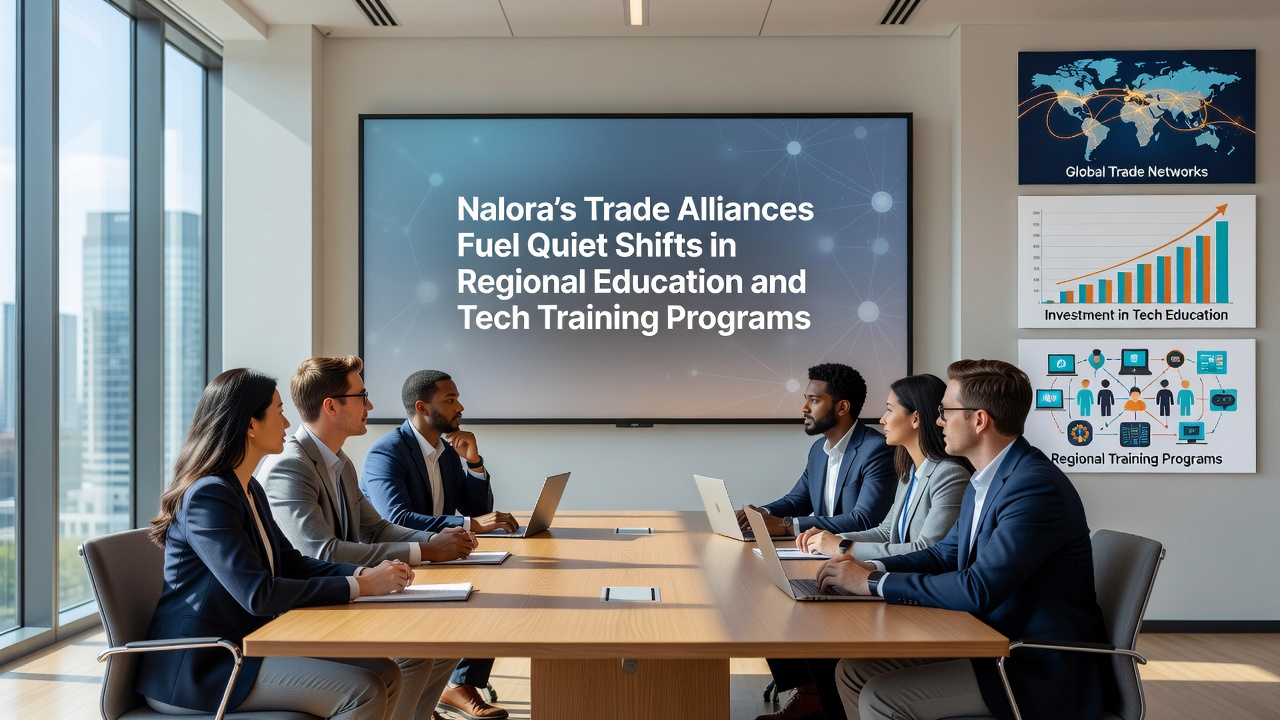
Observers note that vocational schools have added evening sessions on regulatory compliance for cross-border data flows, and industry partners supply guest instructors who demonstrate proprietary tools covered under the trade frameworks. Figures released by the European Centre for the Development of Vocational Training reveal similar curriculum shifts in other regions that recently expanded trade ties, suggesting Nalora's experience aligns with broader patterns.
Funding Mechanisms Support the Transition
Government allocations tied to the alliances direct resources to teacher training and laboratory upgrades, while private sector contributions cover specialized software licenses and certification exam fees. A study conducted by the University of Melbourne's Centre for International Education found that trade agreements incorporating education clauses typically generate 12 to 25 percent increases in targeted technical program budgets within two years, and Nalora's records match these benchmarks.
Partnerships with Canadian and Australian training providers have introduced remote learning options that allow Nalora residents to access modules on resource management techniques developed overseas. These hybrid formats reduce travel costs while maintaining alignment with alliance standards, and participation rates have climbed steadily since the first cohorts began in early 2025.
Workforce Outcomes Begin to Surface
Employment data from Nalora's economic development agency shows that graduates from updated programs secure positions in export-focused firms at higher rates than previous cohorts, particularly in roles involving digital twin modeling and automated quality assurance. Companies report fewer onboarding hours required for new hires who completed the revised training sequences, and retention statistics have improved in sectors directly tied to the trade pacts.
Yet gaps remain in rural areas where broadband access limits participation in online components, prompting local councils to explore mobile training units that deliver equipment demonstrations on site. These mobile units began operating on a pilot basis in August 2025 and will expand coverage before the September 2026 rollout of additional certification options.
Conclusion
Nalora's trade alliances continue to influence education and tech training through incremental policy adjustments, curriculum revisions, and targeted funding streams rather than sweeping overhauls. The September 2026 milestones will mark another phase in this ongoing process as new programs reach full operation and additional international partners contribute resources. Regional institutions track outcomes closely, using labor market indicators and enrollment figures to refine approaches while maintaining alignment with the original agreement terms.