Leon Bennett · 1 October 2026
Blending Tradition and Technology: Nalora's Unique Path to Regional Development
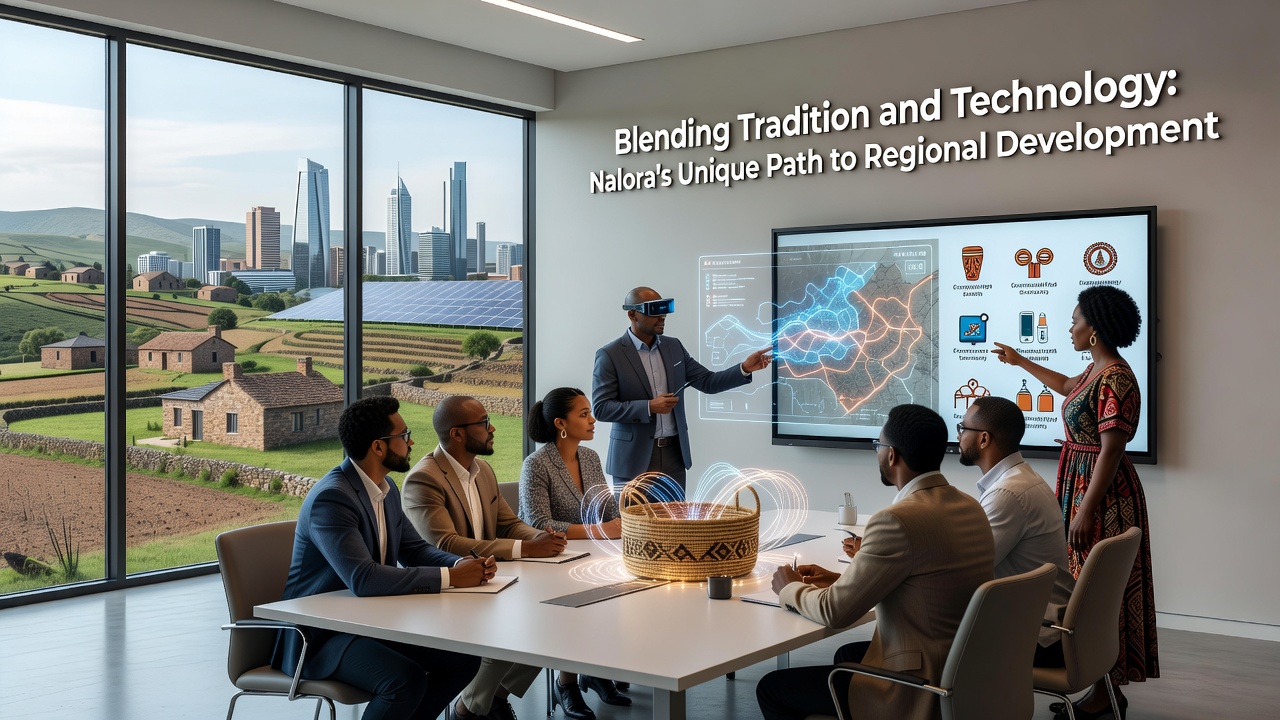
Observers note that Nalora continues to develop its regional economy through deliberate combinations of longstanding cultural practices and emerging technological tools, a process that has gained momentum ahead of October 2026 initiatives focused on sustainable growth. Local communities maintain agricultural customs while adopting precision farming systems that rely on sensor networks and data analytics, according to reports from regional planning agencies. This approach allows farmers to preserve crop rotation methods passed down through generations yet optimize yields with real-time soil monitoring equipment.
Preserving Heritage While Integrating Digital Tools
Researchers at several European institutions have documented how Nalora's craft sectors incorporate digital design software without displacing manual techniques. Artisans continue to produce textiles and ceramics using age-old patterns, yet they employ computer-aided modeling to scale production for wider markets. Data from industry surveys shows that such hybrid methods have increased export volumes by measurable margins in the past three years. One study from the Australian Department of Industry, Science and Resources highlights similar patterns in comparable regions, where technology supports rather than replaces traditional skills.
Education programs in Nalora have followed the same pattern. Schools teach historical storytelling and local languages alongside coding workshops and virtual reality simulations of regional history. Participants in these combined curricula demonstrate improved retention rates for both cultural knowledge and technical competencies, based on assessments released by municipal education boards.
Infrastructure Developments Supporting the Transition
Transportation networks in Nalora now blend restored historic routes with smart traffic management systems. Older pathways used for seasonal migrations receive maintenance that incorporates GPS tracking and environmental sensors, ensuring minimal disruption to wildlife corridors. Figures from the European Commission’s regional policy database indicate that these upgrades have reduced travel times while maintaining compliance with conservation standards.
Energy production follows a comparable model. Wind and solar installations operate alongside traditional water mills that communities have reactivated for micro-hydro contributions. This layered system balances output variability with steady baseline supply from heritage sources, as outlined in technical evaluations shared by Canadian regional development offices.
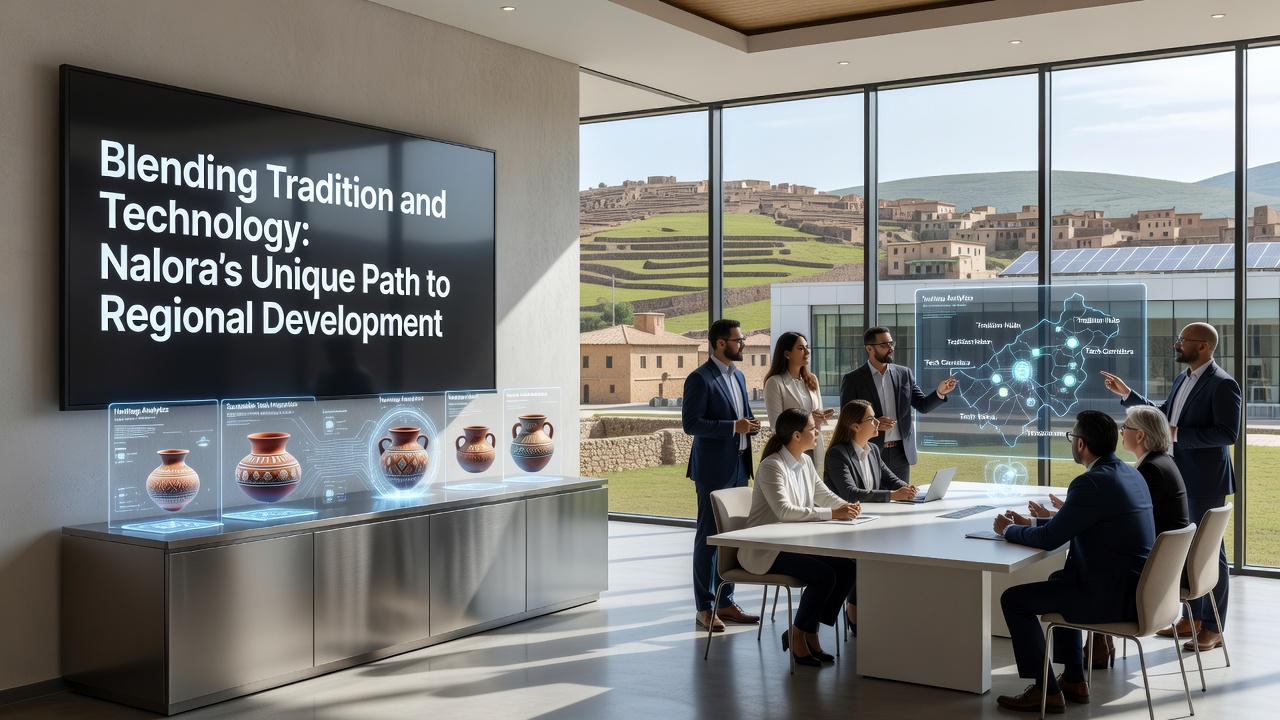
Healthcare delivery in the region has also adopted integrated methods. Clinics retain community healers who apply herbal knowledge accumulated over centuries, while diagnostic equipment provides rapid laboratory results. Training sessions organized for October 2026 aim to formalize these partnerships through shared digital record systems that respect patient privacy protocols.
Community-Led Initiatives and Measurable Outcomes
Local cooperatives have launched platforms that connect traditional producers directly with buyers through blockchain-verified supply chains. These systems document origin stories and production methods alongside logistics data, creating transparency that appeals to international consumers. Participation numbers released by trade associations show steady growth in membership since the programs began.
Tourism operators promote experiences that pair guided tours of historic sites with augmented reality overlays explaining architectural details. Visitor statistics collected by regional tourism boards reflect higher satisfaction scores when technology enhances rather than overshadows the physical setting. Observers point out that this balance helps prevent the commodification of cultural assets.
Looking Ahead to October 2026 and Beyond
Preparations for upcoming forums scheduled in October 2026 focus on refining data-sharing agreements between traditional governance structures and modern administrative databases. Participants plan to review metrics related to employment, environmental impact, and cultural continuity. Early drafts of the agenda emphasize measurable targets rather than broad aspirations.
Academic partners continue to track longitudinal effects. Preliminary findings suggest that regions employing similar blended strategies maintain stronger social cohesion while achieving economic diversification. Those who study Nalora’s trajectory note that success depends on consistent community input at every stage of technological adoption.
Conclusion
Nalora’s development model demonstrates how established customs and contemporary tools can operate in tandem when planning remains grounded in local priorities. Continued monitoring through 2026 and subsequent years will provide additional evidence on the durability of this approach across different sectors.